Poland Study Visa from Pakistan
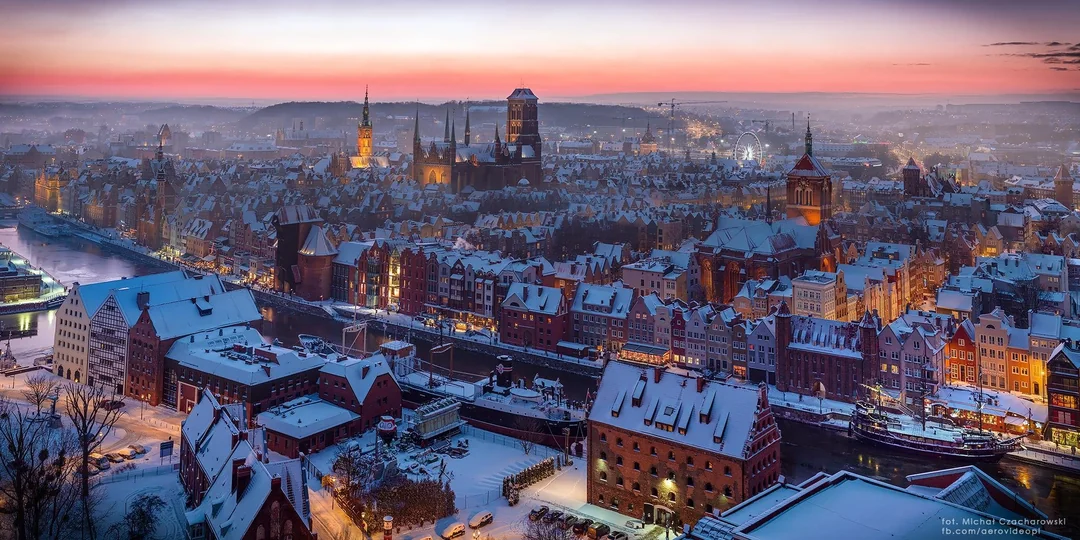
Poland has become one of the most practical study abroad options for Pakistani students who want quality European education without the extreme cost of some traditional destinations. If you are looking for a study visa from Pakistan that combines affordability, English-taught degree options, growing international student access, and realistic career potential, Poland deserves serious consideration.
What makes Poland attractive is not just lower tuition. It is the overall value. You can study in a country that follows the European higher education framework, offers a wide range of public and private institutions, and gives international students a route that starts with university admission and continues into legal residence in Poland after arrival. Official Polish study sources note that many programs are available in English, tuition commonly falls in the €2,000 to €6,000 range, and student living costs can start from around 1,500 PLN per month depending on the city and lifestyle.
For Pakistani students, however, success depends on getting the details right. Poland is not a destination where you should rely on vague social media advice. Admission rules are university-specific, the visa process is formal, and the Pakistan checklist for student visas includes document, payment, accommodation, insurance, and legalization requirements that many students underestimate.
At Border & Bridges, we help students move through the entire student visa process with clarity, from choosing the right course to preparing a strong application file and understanding what happens after they land in Poland.
Introduction
If your goal is to study abroad from Pakistan in a country that offers European-standard education at a comparatively manageable cost, Poland is a strong option. It is especially attractive for students who want business, IT, engineering, health-related, management, science, or social science options in English without aiming only at the most expensive destinations.
Poland’s higher education system includes both public and non-public institutions, and the country follows the Bologna structure with ECTS, which makes the academic framework familiar across Europe. That matters for students who want a degree that fits broader European academic and professional systems.
Why Poland is a Smart Study Abroad Choice for Pakistani Students
Poland appeals to Pakistani students for practical reasons.
First, it offers better cost efficiency than many well-known study destinations. Official Poland study sources place most international tuition in a general range of €2,000 to €6,000 per year, though the final amount depends on the university and program. Living costs can start from around 1,500 PLN per month, but major cities and a more independent lifestyle can push that higher.
Second, there are many English-taught options. This is important for Pakistani students who want a smoother transition into higher education abroad without needing to study fully in Polish from day one. Official Poland education pages confirm that many universities offer bachelor’s, master’s, and doctoral programs in English.
Third, Poland gives students access to a European academic environment with a large number of institutions to compare. Official sources describe public and private higher education institutions and provide national tools such as StudyFinder and POL-on to help students check institutions and programmes more carefully.
Fourth, the destination works well for students who value long-term academic and career positioning. If you study smartly, choose a good program, build language and workplace skills, and understand your residence status properly, Poland can be a serious stepping stone rather than just a low-cost entry point into Europe.
Is Poland the Right Fit for You?
Poland can be a strong fit if you:
want affordable higher education abroad
are open to comparing both public and private institutions
want English-medium study options
prefer a destination with structured visa and residence rules
want a European learning environment without the cost pressure of some larger destinations
Poland may not be the best fit if you:
are choosing only on the basis of “easy visa” rumors
have no realistic budget for tuition, living, insurance, and first-settlement expenses
expect scholarships to automatically cover everything
are planning around work income before understanding your study status
have not thought about the career value of your degree after graduation
A good study-abroad decision is not just about getting out of Pakistan quickly. It is about choosing a route that supports your future.
Best Courses and Study Options in Poland
Bachelor’s programs
For students applying after Intermediate, A Levels, or equivalent qualifications, Poland offers bachelor’s options in business, computer science, software-related fields, engineering, economics, international relations, social sciences, design, and selected health-related tracks depending on the institution.
Official Poland study guidance states that admissions are handled by the universities themselves, which means each institution may have different entry standards, required documents, and language expectations.
Master’s programs
Poland is also attractive for Pakistani graduates applying for master’s programs in management, finance, data and technology, engineering, logistics, international business, and other high-demand fields. For many students, a master’s degree in Poland is the more strategic route because it is shorter, often career-focused, and can align well with long-term employment planning.
English-taught study options
Many Polish universities offer programs in English, especially at bachelor’s and master’s level. Some universities may ask for English proficiency evidence, while others may consider alternative proofs or their own admission conditions. Official Poland guidance also notes that students can study in Polish, but then language proof or preparatory language study may be required.
Poland Study Visa Requirements for Pakistani Students
For Pakistani students, the process usually has four major stages:
choose a recognized university and secure admission
prepare the visa file according to current Polish embassy requirements in Pakistan
obtain a D-type national visa for stays longer than 90 days
apply for a temporary residence permit after arrival in Poland and before the visa expires
This is one of the biggest differences between weak competitor pages and a useful page: admission and legal stay are connected, but they are not the same step.
Official Polish guidance says non-EU students generally need a visa to enter for studies, and the D-type national visa can cover a stay of more than 90 days, but not longer than one year. Poland’s official study portal also says every non-EU student should apply for a temporary residence permit before the visa expires. The first permit is issued for 15 months and can later be renewed for periods of up to 3 years, but not beyond the remaining duration of studies.
Documents Required for Poland Study Visa from Pakistan
This is the section Pakistani students usually need most.
As per the current Pakistan study checklist and Poland’s official visa guidance, students should expect to prepare documents such as:
valid passport and copies of passport data pages
completed and signed visa application form through e-konsulat
biometric-style photograph
applicant cover letter
original admission or continuation certificate from the educational institution
proof of payment for studies, where required
academic documents relevant to the level of study
travel medical insurance meeting the minimum €30,000 coverage requirement
accommodation proof
financial proof
additional civil or family documents where relevant, such as ID copies and Family Registration Certificate
extra documents if requested by the embassy.
For Pakistani students applying to first-cycle studies, the current Islamabad checklist is especially important. It says the higher secondary certificate must be legalized through the required route and must include a NAWA recognition statement confirming that the qualification entitles the holder to study in Poland. NAWA’s own recognition page confirms that, from 1 July 2025, the NAWA Director issues recognition statements for secondary education certificates confirming the right to apply for first-cycle or long-cycle studies.
For second-cycle and third-cycle studies, the checklist says higher education certificates and diplomas must also be legalized according to the required process. The same Pakistan checklist explicitly states that documents issued in Pakistan must be legalized and that apostille is not accepted for those documents in this process.
Financial proof is another area students often misunderstand. The current Pakistan checklist ties sufficient means to living costs, accommodation, and return travel, and it sets out the types of acceptable evidence. This is exactly why students should avoid generic advice from random forums and prepare the file according to the latest official checklist for Pakistan.
Step-by-Step Student Visa Process from Pakistan
Choose a recognized university and program
Start with the course, not the country hype. Check the program, city, tuition, language, intake, and career relevance. Poland’s official study pages say admissions are handled directly by the higher education institution, so you should compare universities carefully rather than assuming one standard national admission system. Use official programme directories and recognition sources to verify what you are applying for.
Secure admission and pay required fees
Once you select a suitable university, submit the admission file. If you receive an offer or admission certificate, follow the institution’s instructions on deposits or tuition payments. The Pakistan checklist specifically refers to original admission/continuation proof and proof of payment for studies.
Apply for the D-type national visa
Poland’s official Pakistan mission page says D-type visa applications are submitted in person at the Embassy of Poland in Islamabad after prior registration through e-konsulat, with no walk-in submission. Official Poland study guidance also says most applicants will need to register through the e-konsulat system and that visa review should take up to 15 days, although early submission is recommended because processing can take longer in some cases.
Apply for a temporary residence permit after arrival
After you enter Poland and complete your registration steps, you should apply for a temporary residence permit before your visa expires. Official study guidance says every non-EU student needs it, and the application is made through the local Voivodship Office. The first permit is issued for 15 months and can then be renewed for longer periods, up to 3 years at a time, within the limits of your studies.
Tuition Fees and Living Costs in Poland
Poland is popular because it offers a more realistic cost profile than many Western destinations.
Official Poland guidance says tuition fees for international students generally range from €2,000 to €6,000 per year, depending on the institution and program, with some higher-cost categories such as MBA going beyond that range. Another official guidance page says studies in Polish average around €2,000–€2,500 per year, while English-medium studies average around €3,000 per year, though exact fees vary by university.
For living costs, official study.gov.pl guidance says student living costs can start from 1,500 PLN per month, but the figure depends heavily on city and lifestyle. Warsaw and major tourist or capital-city locations usually cost more than smaller cities.
For Pakistani students, the better budgeting approach is to plan for:
tuition
initial deposit
visa and document preparation
insurance
accommodation deposit
monthly food and transport
residence permit costs after arrival
emergency funds
Do not build your plan only around tuition. Students who focus only on the headline fee often get stuck later.
Scholarships for Pakistani Students
Scholarships do exist in Poland, but this is a section where honesty matters.
Official Polish sources confirm there are scholarship routes through NAWA and other programmes, and many universities also offer their own merit-based or tuition-reduction schemes. However, eligibility depends on the programme. Some NAWA programmes are nationality-specific or have their own country lists, which means Pakistani students should never assume every scholarship page applies to them automatically.
So the right strategy is:
check university-level scholarships first
compare the net tuition after discount
review NAWA and other official opportunities carefully
confirm nationality eligibility before planning around a scholarship
A good consultant helps you compare the actual cost after scholarship, not just the marketing headline.
Can Pakistani Students Work While Studying in Poland?
Yes, this is one of Poland’s practical advantages, but it still needs to be understood correctly.
Official Office for Foreigners guidance says that if you reside in Poland on a visa issued for full-time studies or on a temporary residence permit for studies, you may work without a work permit. The same guidance also confirms that this can continue while you are waiting for the residence decision, provided your application was filed during legal stay and is correct and complete.
That said, students should still treat part-time work as a support option, not the foundation of their financial plan. Your academics, legal stay, and long-term goals should remain the priority.
Post-Study Work and Career Opportunities in Poland
Poland offers a more realistic post-study route than many competitor pages explain, but it is not magic.
Official Office for Foreigners guidance says graduates of full-time Polish university studies do not need a work permit. It also states that a graduate may apply once for a temporary residence permit for up to 9 months in order to seek employment or start a business, provided the application is made during legal stay and directly after graduation.
This is valuable for Pakistani students because it means the end of studies does not always mean the immediate end of your options. But your course choice still matters. Degrees in business, logistics, IT, engineering, finance, and other employability-focused areas may position you more strongly than generic choices with weak market demand.
Common Reasons for Problems, Delays, or Refusals
Most weak student cases fail because of poor preparation, not because Poland is impossible.
Common issues include:
choosing a low-value program without a clear academic or career reason
relying on an unverified university or not checking official sources
incomplete or inconsistent documentation
weak financial proof
misunderstanding legalization or recognition requirements
rushing the visa file after admission
poor explanation of study purpose
assuming arrival in Poland ends the legal process
One of the biggest current risk points for Pakistani applicants is document handling. If your academic credentials, recognition statement, legalization, payment proof, accommodation proof, and insurance are not prepared correctly, your case becomes weaker than it needs to be. This is why the Pakistan-specific checklist should be treated seriously.
Why Choose Border & Bridges
A strong study abroad consultant should do more than submit forms.
Border & Bridges presents itself as an education consultant in Pakistan with multi-city presence, experienced and certified counselors, study destination coverage, language-test preparation support, and a structured journey that includes application, document submission, fee deposit, visa support, and post-visa travel and settling guidance. That kind of process-led support matters for students applying to destinations like Poland where admission, visa, and post-arrival residence steps all need to line up properly.
For Pakistani students, the real value is simple:
better university selection
cleaner documents
clearer guidance on current embassy requirements
realistic budgeting
less confusion between admission and residence rules
a smoother overall study abroad journey from Pakistan
If you are serious about studying in Poland, the best next step is not guesswork. It is a proper profile assessment.
POLAND study visa — your questions answered
Is Poland a good study destination for Pakistani students?
Yes. Poland is a good option for Pakistani students who want affordable European education, English-taught programs, and a structured legal study route. It is especially attractive for students who want value, not just branding.
What is the Poland study visa process from Pakistan?
The normal flow is: choose a recognized university, get admission, prepare your visa file, apply in person for a D-type visa through the Embassy of Poland in Islamabad via e-konsulat, then apply for a temporary residence permit after arrival in Poland.
Do Pakistani students need a D-type visa for Poland?
For study stays longer than 90 days, students normally need a D-type national visa. Official Polish guidance says it allows a stay of more than 90 days and up to one year.
Do I need a temporary residence permit after reaching Poland?
Yes. Official study.gov.pl guidance says every non-EU student should apply for a temporary residence permit before the visa expires.
How much does it cost to study in Poland from Pakistan?
Official Polish guidance says tuition commonly ranges from €2,000 to €6,000 per year, while student living costs can start from around 1,500 PLN per month depending on city and lifestyle.
Can I study in Poland without IELTS?
It depends on the university and programme. Many universities offer English-taught degrees, but language proof requirements vary. Some institutions may accept alternatives, while others may require stronger formal proof.
Is NAWA recognition important for Pakistani students?
Yes, especially for first-cycle applicants using Pakistani higher secondary credentials. The current Pakistan study checklist and NAWA guidance make this a major point for many bachelor-level applicants.
Can Pakistani students work in Poland while studying?
Yes, if they are on the correct study status. Official Office for Foreigners guidance says students on a visa for full-time studies or on a temporary residence permit for studies may work without a work permit.
What happens after graduation in Poland?
Full-time graduates do not need a work permit, and there is an official one-time graduate residence option for up to 9 months to look for work or start a business.
How can Border & Bridges help with Poland admission and visa guidance?
Border & Bridges can help with course selection, university shortlisting, document preparation, visa guidance, budgeting, and understanding the full journey from Pakistan to legal student stay in Poland.