MBBS Abroad for Pakistani Students: Best Countries, Costs and Risks
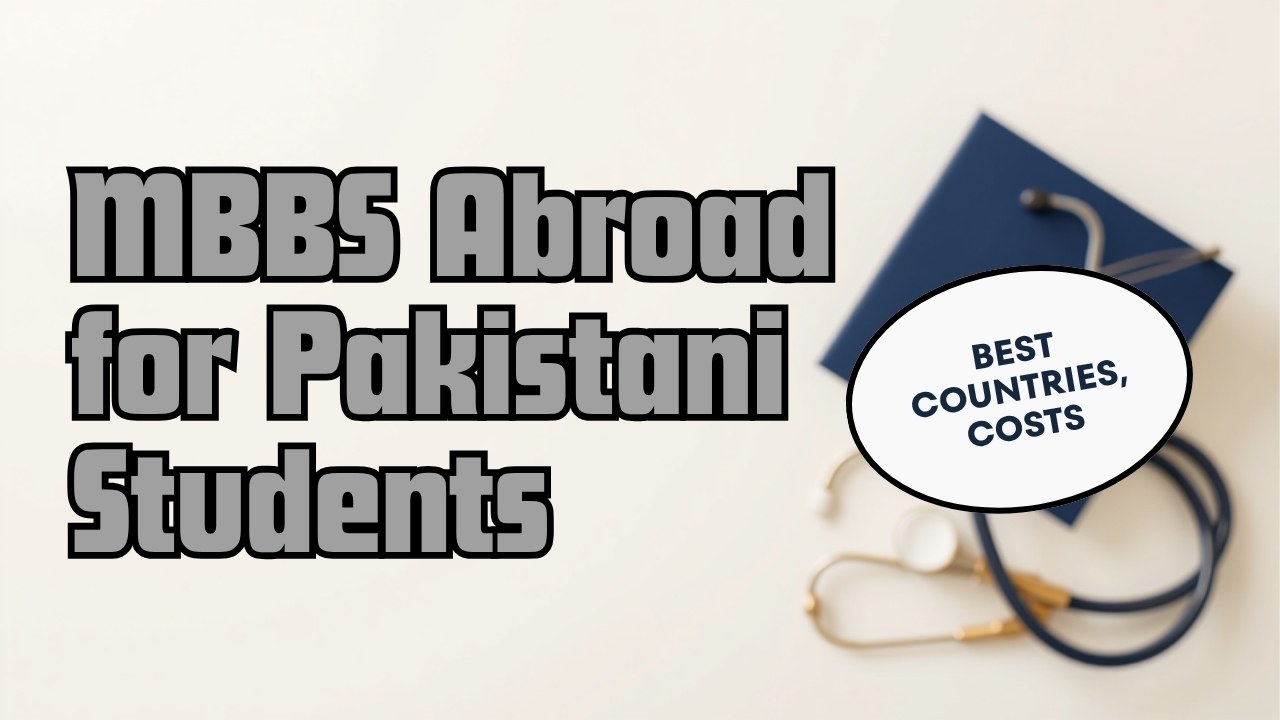
Table of contents
Why students go abroad for MBBS
Every year, thousands of Pakistani students score well but miss a public medical seat, and private MBBS at home is expensive. Abroad, several countries offer MBBS in English at a fraction of that private cost. That price gap is the main reason students look outward. The degree can be genuinely good value, as long as the college is recognised and you plan for the licensing path from day one.
Best countries for MBBS
A handful of countries come up most often for Pakistani medical students. China hosts many universities approved for international medical students and runs programs in English. Russia has a long history of training foreign doctors at low cost. Georgia has grown popular for its European setting and English-taught programs. Kyrgyzstan and Kazakhstan are among the cheapest options, while Egypt attracts students who want to study in a Muslim-majority country. Each differs in cost, climate, language of daily life and recognition, so none is automatically best.
The recognition rule you must check
This is the single most important part of the whole decision, and it is where students get hurt. To practise medicine in Pakistan after an MBBS abroad, your college must be recognised by the relevant authorities, and you must pass the required licensing examination once you return. A cheap seat at a college that is not properly recognised can leave you with a degree you cannot use. Before you pay anyone, confirm that the specific university and program are recognised for Pakistani students and that you understand the exam you will sit afterward.
Costs compared
Cost is the main draw, and it varies a lot. Kyrgyzstan and Kazakhstan sit at the lower end. China, Russia and Georgia are mid-range and usually still far below private MBBS in Pakistan. On top of tuition you have hostel and living costs, which are generally modest in these countries, plus flights, insurance and visa fees. Add a buffer for the licensing exam preparation later, since that is part of the true cost of practising back home.
Admission process
The process is usually straightforward. Shortlist recognised universities, check their intake and eligibility, and apply with your matric and intermediate results, especially your science marks. Many countries set a minimum percentage in pre-medical subjects. Once admitted, you arrange the visa with your admission letter and financial documents, then travel for the intake. Starting early matters, since medical intakes and seats fill up.
Want to check if an MBBS college is safe and recognised?
Send us the university name and we will verify it for you, free.
The real risks
Honesty matters more than marketing here. The biggest risk is choosing a college that is not recognised, which can make your degree useless for practising in Pakistan. The second is underestimating the licensing exam, which has a real failure rate and needs serious preparation. Other risks include the language of daily life and clinical training, the quality of clinical exposure at weaker colleges, and agents who push a particular university for their own commission rather than your future. Going in aware of these is how you avoid them.
How to choose safely
Pick recognition first, cost second. Confirm the university is recognised for Pakistani students and that you know the licensing exam you must pass. Prefer colleges with a track record of students who returned, qualified and now practise. Compare the total cost honestly, including exam preparation later. And get advice from someone who will tell you the risks, not just sell you a seat. A slightly pricier recognised college beats a cheap one you cannot build a career on.
Frequently asked questions
Is MBBS abroad cheaper than in Pakistan?
Often yes, compared with private seats. Several countries offer recognised MBBS programs at a fraction of private MBBS cost at home.
Can I practise in Pakistan with an MBBS from abroad?
Yes, if your college is recognised and you pass the required licensing examination after returning. Both conditions matter.
Which country is best for MBBS?
There is no single best. China, Russia and Georgia balance cost and recognition for many students, but you must verify the specific university.
What is the biggest risk?
Choosing an unrecognised college. It can leave you with a degree you cannot use to practise in Pakistan, so verify recognition first.
Do I need IELTS for MBBS abroad?
Not always, since some programs accept other English proof. Requirements vary by country and university, so confirm before applying.
How hard is the licensing exam?
It is a real exam with a genuine failure rate. Plan for serious preparation rather than assuming it is a formality.
What marks do I need?
Many countries set a minimum percentage in pre-medical subjects at intermediate level. Check each university’s exact requirement.
Should I trust an agent’s recommendation?
Verify it independently. Confirm recognition yourself rather than relying only on an agent who may favour a college for commission.
Choose an MBBS path you can actually build a career on
Border and Bridges helps Pakistani students find recognised MBBS programs abroad, understand the licensing route, and avoid costly mistakes. Book a free consultation to plan it safely.